
How to Become a Curriculum Developer with a Career Switch
Do you enjoy creating meaningful learning experiences for students? Ever wondered about making a career switch from teaching to curriculum development?
We’ve got you covered in this blog post, where you’ll gain insight and advice from some of the many educators who have successfully transitioned from teaching to the curriculum development field.
Their journeys not only show what’s possible beyond the classroom, but their valuable advice can help guide you if you’re considering a similar career transition.
They’re sharing their experiences, tips, and strategies in this exciting field where they’re expanding their impact and making more money as freelancers.
If you’re thinking about what a day in the life looks like in curriculum development, let these stories give you the inspiration you need to get started. Whether you’re considering transitioning out of teaching to become a full-time curriculum developer or just want a curriculum design side hustle, there are so many ways to use your teaching expertise.
Advice from Educators Who Made a Career Switch from Teaching to Curriculum Development
Mandy: How to Build Curriculum Development Skills
Title: Science Curriculum Developer for a Leading Education Company
Here’s what Mandy had to say about leaving teaching to become a curriculum developer:

Having transitioned from classroom teaching to curriculum development, I've learned a few valuable lessons along the way. If you're still teaching, don't be afraid to start experimenting with curriculum design. Try it out. It's a crucial step in gaining confidence and experience.
My second piece of advice is to find a supportive community. Whether it's through the Educator Forever Network or discussions with colleagues, sharing your aspirations out loud can make them feel attainable. When you vocalize your goals, they become more than just dreams – they become possibilities in motion.
There are many curriculum development skills you need to succeed outside the classroom that can be learned inside the classroom. As a teacher, you might have a wide array of transferable skills that can be applied to curriculum development. You’re more capable and tech-savvy than you might think. Teaching involves project management, classroom management, setting and meeting deadlines, and editing – you're already well-versed in these areas. Embrace your expertise and skill set, and you'll thrive in curriculum development.
Christina: How to Become a Curriculum Designer
Title: Curriculum Developer Contractor
Here’s what Christina had to say about going from teacher to curriculum developer:
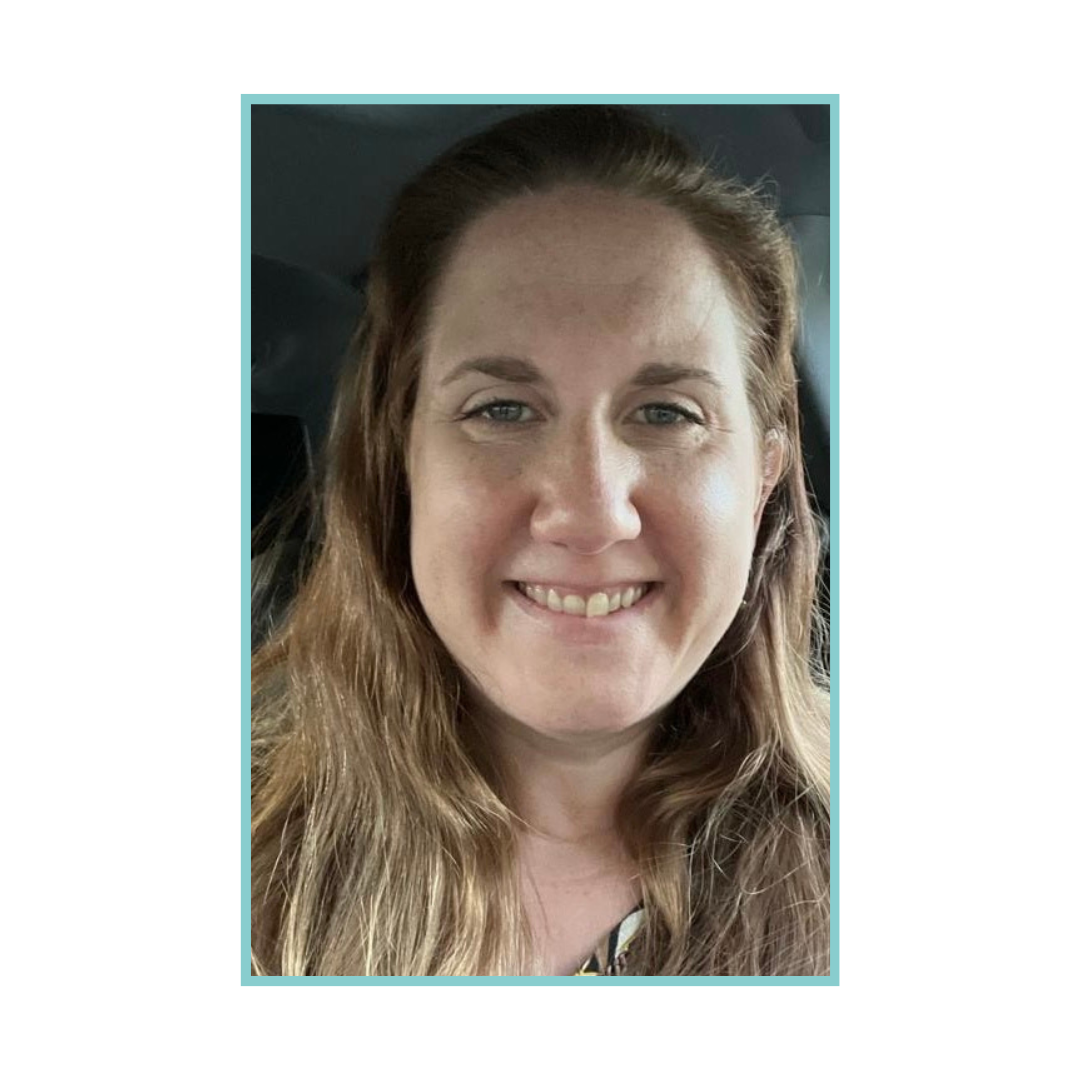
There’s a whole new world outside of the classroom that I’ve discovered through curriculum development. We as teachers have a ton of skills to offer, and that's incredibly motivating. I've dabbled in curriculum design for various grade levels, collaborated on a special project involving modifications for world language students, and even created professional development for educators.
When you’re job hunting, remember not to get discouraged. Even if you don't tick every box on a job description, you likely have skills that do apply and can learn new things on the way. Also, keep in mind that while not every application leads to a job, you've got what it takes and the right ones will come your way.
Cora: The Importance of a Curriculum Development Resume
Cora is a Curriculum Developer for a Leading Education Company
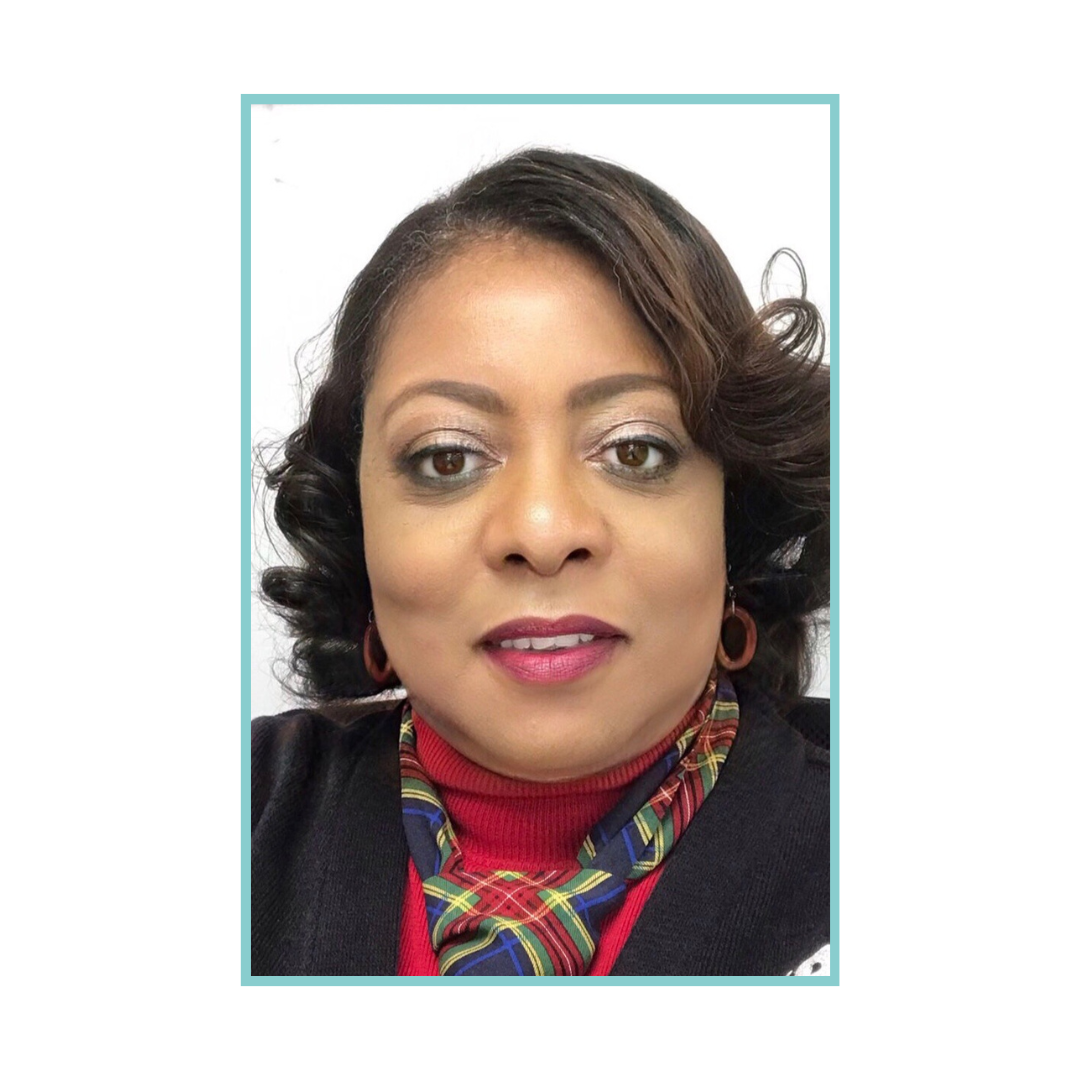
Here’s what Cora had to say about transitioning out of teaching to become a curriculum developer:
My role as a curriculum developer has been eye-opening. It's taught me to see things from different angles as I get feedback and incorporate new ideas and perspectives. It's been really rewarding and has broadened my understanding and expanded my skills.
As you apply for positions, make sure to tweak your resume and cover letter to fit what they are looking for and show how you’re a match.
Kerry: How to Become a Curriculum Writer & Developer
Title: Social Emotional Learning (SEL) Curriculum Developer at a SEL Organization
Here’s what Kerry had to say about moving from teacher to curriculum designer:

For my current position as a SEL curriculum developer, I reached out to the company… rather than waiting for a job listing and going through a typical application process. A few years back, I'd never have done that. So don’t be afraid to ask for what you want.
Having a growth mindset is so helpful. My first task in my curriculum development role was editing and writing high school curriculum. I'd never done exactly that before, but I realized I have the skills, and I'm up for the challenge. This has boosted my confidence and broadened my skill set. I continue to step out of my comfort zone and learn as I go.
Ready to Make a Career Switch from Teaching to Curriculum Development?
Each of these educators fast-tracked their career by learning how to become a curriculum specialist, writer, or developer with the Curriculum Development Foundations Program. If you’re interested in becoming a curriculum developer, the Curriculum Development Foundations Program can kickstart your career as well.
In this 5-week program, you’ll gain in-depth knowledge of PreK-12 curriculum development, learn how to craft engaging lesson plans and design effective educational materials, and get the tools and support you need to navigate the job market.
The program pairs you with an expert curriculum coach, guides you through creating a shining portfolio full of curriculum samples ready to submit for job opportunities, and teaches you how and where to find and land your ideal positions.
Sign up now so you can get everything you need to excel in the world of curriculum development.
Don’t miss out — this could be your first step toward transitioning out of teaching and moving toward a rewarding, exciting career in curriculum development!
FAQs
-
A curriculum developer designs and creates educational materials that support teaching and learning. This can include writing lesson plans, developing full units or courses, creating assessments, and ensuring everything aligns with educational standards. Depending on the role, curriculum developers may also collaborate with designers, engineers, or subject matter experts—especially in edtech companies—to build engaging and effective learning experiences. At its core, the job is about translating educational goals into structured, accessible content that helps students succeed.
-
Landing a curriculum development job typically comes down to three things: a strong portfolio, targeted applications, and clear positioning. Employers want to see real examples of your work, so having polished curriculum samples is essential. From there, look for roles with edtech companies, publishers, school districts, or education nonprofits. Tailor your resume to emphasize curriculum writing, data-driven instruction, and collaboration with stakeholders. Networking and reaching out to companies you already know or use can also open doors to opportunities that aren’t widely advertised.
-
Getting into curriculum development starts with recognizing that you likely already have relevant experience as a teacher. Lesson planning, differentiating instruction, and aligning to standards are all core parts of the role. To transition, focus on building a portfolio of curriculum samples (like unit plans, assessments, or scope and sequences), learning best practices in instructional design, and positioning your experience in a way that highlights your impact on student learning. Many educators also benefit from structured programs or coaching that guide them through the transition and help them build job-ready materials.
Last updated: March 18, 2026